
When production starts falling behind, the first reaction is often the same:
"We need more people."
While additional labor can sometimes provide temporary relief, it doesn't always solve the underlying problem. In many operations, the real bottleneck isn't the size of the workforce. It's the efficiency of the process.
Small inefficiencies repeated hundreds or thousands of times each day can quietly reduce throughput, increase labor costs, and create unnecessary frustration across the operation.
Before hiring additional employees, it's worth asking a different question:
Are we getting the most out of the process we already have?
Throughput Is Built on Efficiency
Every operation relies on a series of connected steps. Receiving, labeling, scanning, picking, packing, and shipping all depend on one another.
When one process slows down, every process behind it feels the impact.
Often, these slowdowns are caused by issues that seem insignificant on their own:
- Operators walking long distances to retrieve supplies
- Frequent label or ribbon changeovers
- Poor barcode quality requiring rescans
- Printer downtime due to preventable maintenance
- Multiple label formats creating confusion
- Manual data entry that could be automated
Each delay may only take seconds or minutes, but over the course of a shift, those interruptions can represent hours of lost productivity.
The Hidden Cost of "Quick Fixes"
Adding labor often treats the symptom rather than the cause.
If a process requires two additional employees just to keep pace, it's worth understanding why.
Is equipment creating unnecessary downtime?
Are operators waiting on supplies?
Are labels failing to scan consistently?
Could workflows be simplified?
Without addressing these questions, increasing headcount may only increase labor costs while leaving the underlying inefficiencies untouched.
Small Improvements Create Big Results
Improving throughput doesn't always require major investments or a complete operational overhaul.
In many cases, meaningful gains come from practical improvements such as:
- Standardizing label formats across departments
- Selecting materials that improve print quality and reduce reprints
- Scheduling preventative printer maintenance
- Reducing unnecessary operator movement
- Consolidating suppliers for greater consistency
- Reviewing workflows to eliminate repetitive steps
These changes can improve productivity while making daily operations easier for employees.
Technology Should Support People
The goal isn't to replace employees.
It's to remove the obstacles that prevent them from doing their jobs efficiently.
Reliable printers, readable barcodes, durable labels, and consistent processes allow employees to spend less time solving problems and more time moving product.
When the process improves, productivity naturally follows.
Measure the Process Before Adding People
Before increasing headcount, take a closer look at where time is actually being lost.
Track common questions like:
- How often do printers stop production?
- How many labels are reprinted each day?
- How much time is spent replacing supplies?
- Where are operators waiting or walking unnecessarily?
- Which tasks create the most delays?
The answers often reveal opportunities for improvement that cost far less than hiring additional staff.
Final Thoughts
Labor will always be one of the most valuable resources in any operation. The objective isn't simply to add more people. It's to build processes that allow your team to work more efficiently.
The most successful operations don't just invest in labor.
They invest in better workflows, reliable equipment, and systems that remove unnecessary friction.
Sometimes the fastest way to increase throughput isn't adding another person.
It's improving the process they're already following.
Recent Posts
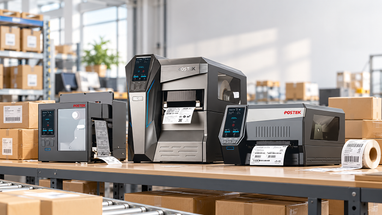
Sep 30th 2026
POSTEK Industrial Printers Now Available at the Ganson Store
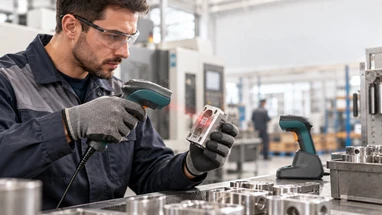
Sep 17th 2026
Built for the Real World: Inside Newland’s Approach to Industrial Barcode Scanning
Sep 14th 2026